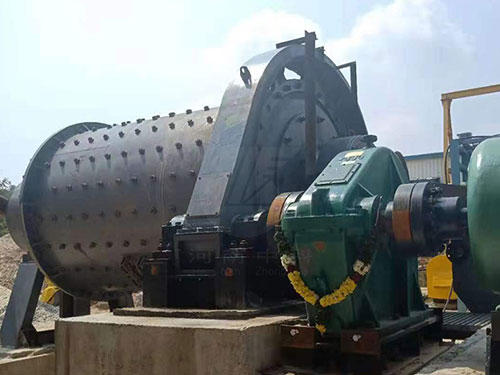
How to Reduce Ball Mill Noise During Operation? 6 Proven Methods
Excessive ball mill noise harms operator health and equipment life. Discover 6 practical ways to reduce grinding mill noise, including rubber liners, acoustic enclosures, and intelligent control.
Industrial ball mills are essential for grinding ores, cement, and ceramics, but they are notoriously loud. Operating noise levels often exceed 100–120 dB(A), posing serious risks to hearing and nearby equipment. Reducing ball mill noise is not just about comfort—it is a matter of safety, compliance, and equipment longevity.
This guide provides six actionable strategies to lower grinding mill noise without sacrificing throughput.
1. Install Rubber Liners Instead of Steel Liners
Traditional steel liners amplify impact noise. Replacing them with wear-resistant rubber liners can cut noise by 8–15 dB. Rubber absorbs shock between the grinding media and the mill shell. It also reduces shell vibration transmission.
Best for: Cement and mineral processing.
Trade-off: Slightly lower wear life in very abrasive ores.
2. Use Composite Mill Shells
A full rubber or polyurethane-coated shell dampens noise at the source. Modular composite shells are available for retrofitting. Expect 10–20 dB reduction compared to all-steel designs.
3. Build a Soundproof Enclosure
For existing mills, an acoustic enclosure is the most effective passive method. A typical enclosure combines:
Steel outer panels (2–3 mm)
Acoustic foam or mineral wool (50–100 mm)
Ventilation with silencers
Noise reduction: Up to 25–35 dB.
Tip: Leave access doors for maintenance.
4. Install Rubber Grinding Media (for Fine Grinding)
While steel balls are standard, ceramic or rubber-coated balls can lower impact noise during fine grinding (<1 mm product). This method works well for low-density materials like pigments or chemicals.
5. Optimize Ball Charge and Speed
Incorrect operating parameters generate unnecessary noise. Follow these rules:
Maintain ball filling ratio of 30–35% of mill volume.
Keep rotation speed at 60–75% of critical speed.
Reduce void spaces by using graded balls (e.g., 50 mm + 40 mm + 30 mm).
Proper charge reduces chaotic impacts and lowers noise by 3–7 dB without extra cost.
6. Monitor with Smart Vibration Dampers
Modern mills can be retrofitted with viscoelastic dampers between the mill trunnion and the drive housing. These convert mechanical vibration into heat. When paired with an accelerometer feedback system, they reduce noise spikes by 5–10 dB during startup and overload.
Bonus: Operator Protection (Quick Win)
If structural changes are impossible, provide:
Double-glazed observation windows.
Noise-cancelling headsets with radio communication.
Limit exposure time per shift to <85 dB(A) over 8 hours.
Ball mill noise is controllable. The most cost-effective combination is rubber liners + optimal charge + partial enclosure. For new plants, specify composite shells and smart dampers from the start.
Start with a noise audit, then apply the methods that fit your budget. Quieter grinding means safer workers and fewer shutdowns.