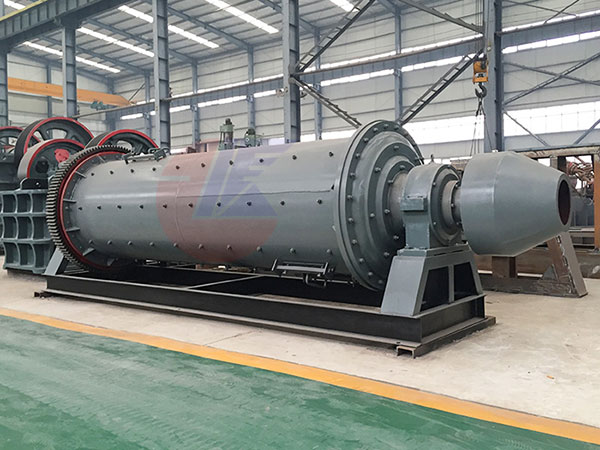
In the world of mineral processing, cement production, and industrial grinding, the ball mill liner is the unsung hero of operational efficiency. While the grinding media does the work of comminution, the liner protects the mill shell and transmits the energy required for grinding.
But liners don’t last forever. Replacing them too early wastes capital; replacing them too late risks catastrophic shell damage and unplanned downtime. So, what is the magic number? When should you schedule that liner change?
There is no one-size-fits-all answer, but understanding the variables can help you optimize the replacement cycle.
The general lifespan range
For most industrial ball mills, the average lifespan of a liner set ranges between 12 months and 5 years.
High-abrasion applications (e.g., iron ore, granite, or large-diameter SAG mills): Liners may last 6 to 18 months.
Cement and mineral processing: Typically 2 to 4 years.
Low-impact or fine-grinding applications: Can extend beyond 5 years.
Key factors that determine liner longevity
To predict replacement intervals accurately, you must look beyond the calendar. Here are the critical variables:
1. Material of construction
The metallurgy of your liners dictates their wear life.
High-Chrome Iron: Offers excellent wear resistance for abrasive materials but can be brittle. Ideal for cement mills.
Alloy Steel / Manganese Steel: Extremely tough and impact-resistant. Preferred for large SAG mills and primary grinding where impact is high.
Rubber Liners: While they offer lower wear life in high-impact zones, they provide superior noise reduction and corrosion resistance. Rubber typically wears faster than steel in abrasive environments.
2. Mill operating parameters
Throughput: Higher tonnage per hour means more material passes over the liner surface, accelerating wear.
Rotation Speed: Operating at or near critical speed increases centrifugal forces, causing faster liner erosion.
Grinding Media Size: Larger balls (e.g., 100mm+) create higher impact forces, leading to plastic deformation and fatigue in the liner metal.
3. Feed material properties
Harder materials (like granite or magnetite) wear liners exponentially faster than softer materials (like limestone or clinker). If your ore’s abrasion index (AI) increases, your liner life will proportionally decrease.
Signs It’s time for a replacement
Waiting for a liner to fail catastrophically is the most expensive maintenance strategy. Instead, look for these key indicators:
Reduced Grinding Efficiency: If your mill is drawing less power but throughput is dropping, worn liners may be losing their "lift" profile (the ability to cascade the media).
Visible Thinning: During routine internal inspections, if the liner thickness has worn down to 30-40% of its original design, it’s time to order replacements.
Shell Corrosion or Leakage: If slurry begins to leak through the shell or you notice "spitting" from the bolts, the liner integrity is compromised.
Vibration Spikes: Increased vibration often indicates that a liner has shifted or become loose due to bolt failure.
The cost of delaying replacement
While extending liner life seems like a cost-saving measure, it often backfires. Overly worn liners result in:
Lower throughput: The mill loses its ability to lift media, turning the grinding action into a "sliding" action that wastes energy.
Shell damage: Once the liner wears through, the grinding media impacts the mill shell directly, requiring costly welding or even full shell replacement.
Unplanned downtime: Emergency shutdowns to replace broken liners are significantly more expensive than scheduled maintenance campaigns.
Best practices for liner maintenance
To maximize value without risking failure, implement a condition-based maintenance strategy:
Magnetic Sensors: Install liner wear sensors (magnetic or ultrasonic) that provide real-time data on liner thickness without requiring manual inspections.
Inspection Schedule: Conduct visual inspections every 500 to 1,000 operating hours. Look for "wave" patterns, cracking, or lifting.
Liner Design Optimization: Modern "lifter bars" and composite liners can extend life by up to 30% compared to traditional designs by optimizing the cascading effect and reducing direct sliding wear.
There is no universal timer for ball mill liner replacement. However, by monitoring power draw, throughput rates, and physical wear patterns, operations can typically expect to replace liners every 12 to 48 months.
The goal isn’t to make liners last as long as possible—it’s to replace them at the optimal intersection of cost, safety, and mill performance. If your mill is showing signs of reduced efficiency or if your last inspection revealed thinning liners, it’s time to start planning your next change-out.