Wondering what ores a ball mill can process? This guide covers everything from gold and copper to iron ore, explaining how ball mills are the backbone of mineral processing for hard and soft ores alike.
Introduction
In the world of mining and mineral processing, efficiency is everything. The goal is to liberate valuable minerals from waste rock as effectively as possible, and the equipment used must be up to the task. When it comes to reducing ore particles to a fine powder, one piece of machinery stands out as an industry staple: the industrial ball mill.
But a common question arises: What types of ores can a ball mill actually process? The short answer is: nearly all of them. From the hardest diamonds to softer minerals like coal, ball mills are incredibly versatile. This article will dive deep into the specific types of ores commonly processed in ball mills, how the process works, and why this technology is so critical to the mining industry.
How Does a Ball Mill Work? A Quick Refresher
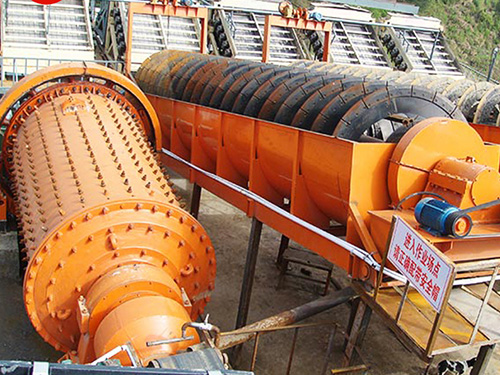
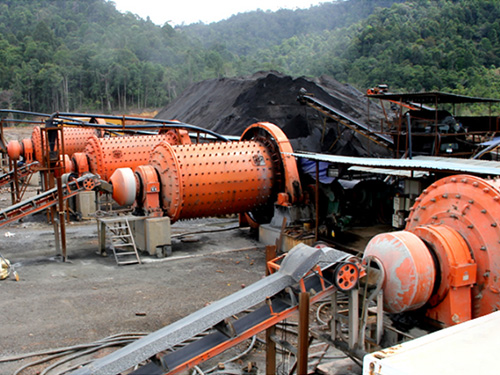
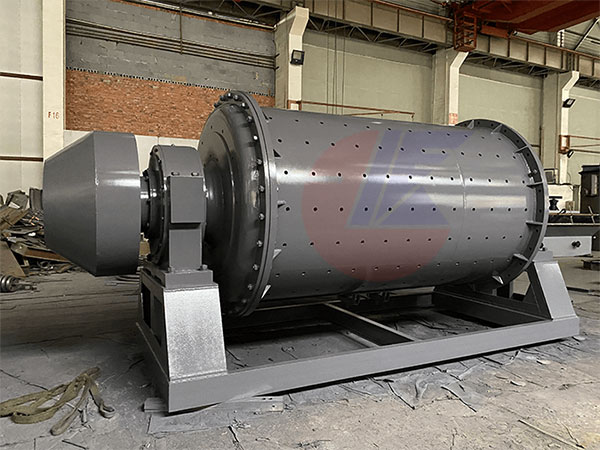
Before we list the ores, it's essential to understand the basic principle. A ball mill is a cylindrical device filled with grinding media—typically steel or ceramic balls. As the mill rotates, these balls tumble onto the ore feed, impacting it through a combination of impact (from the falling balls) and attrition (abrasion between balls and ore particles).
This relentless pounding crushes the ore into a finer and finer powder, a process known as comminution. The final product, a slurry or fine dust, is then ready for the next stage, usually a separation process like flotation or leaching, where the valuable minerals are extracted.
Ores Processed by Ball Mills: A Category-by-Category Breakdown
Ball mills are not a one-size-fits-all solution, but their operating parameters can be adjusted to handle a vast spectrum of ore types. Here are the primary categories:
1. Metallic Ores (The Most Common Application)
This is the primary domain of the ball mill. The liberation of precious and base metals from their host rock requires fine grinding.
Gold Ore: Perhaps the most famous application. Gold is often found in microscopic particles locked within sulfide minerals like pyrite. Ball mills grind the ore to an extremely fine consistency (often to a powder finer than sand) to liberate these tiny gold particles, making them available for recovery via cyanide leaching.
Copper Ore: Copper ores are typically ground in ball mills before being fed to flotation cells. The fine grinding liberates copper-bearing minerals (like chalcopyrite) from the gangue (waste rock), allowing the froth flotation process to separate them efficiently.
Iron Ore: While some iron ore is processed in autogenous mills, ball mills are widely used for fine grinding, especially for concentrates. They help achieve the specific particle size required for pelletizing, a process that prepares iron ore for blast furnace use.
Lead-Zinc Ore: Similar to copper, these ores are ground to a pulp in a ball mill to liberate the different minerals before they are separated using differential flotation.
Silver, Nickel, and Molybdenum Ores: These valuable metals also rely on fine grinding in ball mills to achieve high recovery rates in subsequent processing stages.
2. Industrial Mineral Ores
Beyond metals, ball mills are crucial for processing non-metallic minerals used in various industries.
Phosphate Rock: Essential for fertilizer production, phosphate rock is ground in large ball mills to facilitate the separation of phosphate from silica and other impurities.
Potash: Another critical fertilizer component, potash is ground to a specific size to prepare it for market or further processing.
Limestone: Ball mills are used to grind limestone into a fine powder to create cement clinker or agricultural lime.
3. Specialized and High-Value Ores
Uranium Ore: After initial crushing, uranium ore is often ground in a ball mill to a fine slurry for leaching, where the uranium is dissolved for extraction.
Tungsten and Tantalum Ores: These hard, dense minerals require robust grinding, making ball mills with heavy grinding media an excellent choice.
Key Factors That Determine a Ball Mill's Suitability for an Ore
It's not just about the type of ore, but also its properties. When selecting and operating a ball mill for a specific ore, engineers consider:
Ore Hardness: This is the most critical factor. Very hard ores (like some gold ores) require more energy, larger grinding media, and potentially a larger mill. The Bond Work Index is a standard measure used to calculate the energy required for grinding.
Abrasiveness: Highly abrasive ores will cause more wear on the mill's liners and grinding balls. This influences the material choice for these components (e.g., using high-chromium steel for better wear resistance).
Feed Size: The size of the ore entering the ball mill (usually after primary and secondary crushing) affects its capacity and efficiency.
Required Product Fineness: The target particle size of the final product dictates the grinding time. Finer products require longer residence time in the mill.
Wet Grinding vs. Dry Grinding: Which is Better for Your Ore?
Ball mills can operate in two primary ways, and the choice often depends on the ore and the next processing step.
Wet Grinding: This is the most common method for ore processing. Water is added to the mill along with the ore feed, creating a slurry.
Advantages: Less power consumption, no dust, better material flow, and it is the required feed for processes like flotation.
Ideal for: Most metallic ores (copper, gold, zinc), industrial minerals like phosphate.
Dry Grinding: The ore is processed without water.
Advantages: Avoids the need for slurry dewatering, product is already a dry powder.
Ideal for: Cement clinker, gypsum, and other materials where the final product must be dry. It is also used when water is scarce.
Conclusion: The Indispensable Ball Mill
From the gold mines of South Africa to the copper porphyries of South America, the ball mill remains a cornerstone of modern mineral extraction. Its ability to efficiently grind a remarkably wide range of ores—from soft and abrasive to hard and dense—makes it an indispensable tool for the global mining industry.
Whether the goal is to liberate microscopic gold particles or to produce fine cement powder, the fundamental principle of impact and attrition inside a rotating drum continues to drive progress and profitability. When planning any mineral processing operation, understanding the compatibility of your ore with ball mill technology is a fundamental first step toward success.
Ready to discuss your specific ore processing needs? Contact a mineral processing equipment supplier to determine the optimal ball mill configuration for your project.