Introduction
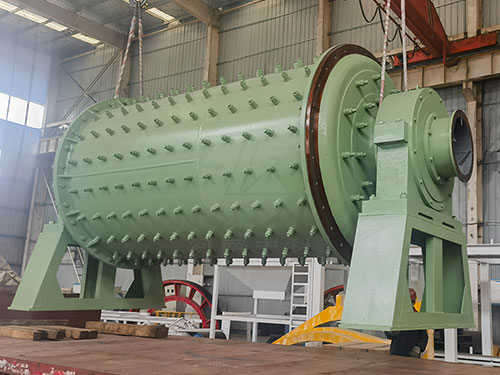
A ball mill is a powerful machine, but leftover residue is its worst enemy. Whether you are switching from grinding iron ore to limestone or from cement clinker to chemical powders, thorough cleaning is non-negotiable. Residual material can harden on liners, reduce efficiency, and contaminate your next batch. Here is how to clean your mill safely based on the material type.
Step 1: The Dry Purge (For All Materials)
Before introducing water or solvents, rotate the mill slowly with the discharge port open. Use compressed air or a vibratory feeder to blow out loose fines. This removes 70% of the residual material without liquid.
Step 2: Material-Specific Cleaning Protocols
A. Cement & Limestone
Cement hydrates on contact with water, forming rock-hard deposits.
Method: Use a steel wire brush or a pneumatic chisel for large chunks. Follow with a dry silica sand sweep. Avoid water.
B. Metallic Ores (Iron, Copper, Gold)
Ore dust is abrasive and can corrode liners if left wet.
Method: Wash with a high-pressure water jet (1,500–2,000 PSI) while the mill rotates at 2–3 RPM. Add a mild rust inhibitor to the final rinse.
C. Chemicals & Pigments
These require solvent cleaning to avoid chemical reactions.
Method: Circulate an inert solvent (e.g., mineral spirits for oil-based pigments or ethanol for water-soluble dyes). Drain and air-purge for 2 hours.
Step 3: Media Management
Grinding balls trap material between them.
For sticky materials: Remove balls and soak in a 5% caustic solution (for organic residues) or acidic wash (for metallic residues).
For dry materials: Tumble the balls with coarse sand or crushed limestone for 15 minutes, then discard the abrasive.
Step 4: Final Inspection & Drying
After cleaning, always inspect the liners for hairline cracks. Use a moisture meter; any reading above 2% risks rust or caking. Run the mill empty for 10 minutes with hot air blowing through to dry completely.
Safety Note
Never enter a ball mill without lockout/tagout (LOTO). Toxic dust (e.g., heavy metals) requires P100 respirators and HEPA vacuums.
Cleaning a ball mill isn't "one-size-fits-all." Cement needs dry abrasion, ores can handle pressure washing, and chemicals require solvents. Build a cleaning log by material type to maximize liner life and product purity.
Need mill liners that resist material build-up? [Contact our engineers today.]