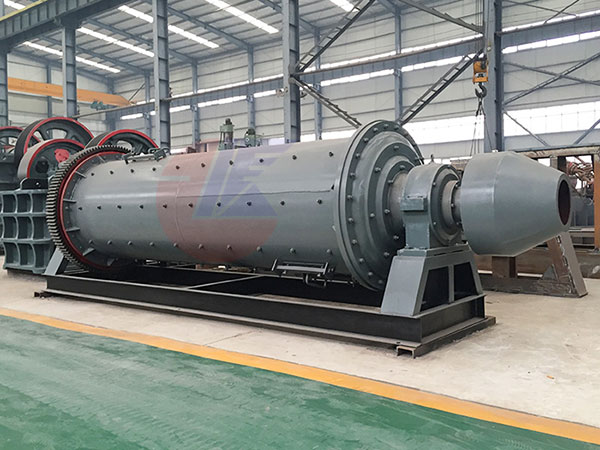
Silica sand is a critical raw material for glassmaking, foundry molds, ceramics, and the rapidly growing photovoltaic industry. However, transforming raw silica into high-value fine powder requires precise control over the grinding process. This guide provides a comprehensive, step-by-step approach to grinding silica sand using a ball mill, covering optimal parameters, equipment selection, and troubleshooting common issues.
1. Understanding the Challenge: Silica Sand Properties
Before starting the grinding process, it's essential to understand the material you're working with. Silica sand (SiO₂) is known for its extreme hardness and abrasiveness (Mohs hardness of 7), which presents unique challenges:
High wear rate on mill liners and grinding media
Risk of iron contamination that can degrade product quality, especially for high-purity applications like glass or photovoltaic materials
Agglomeration tendency during fine grinding, where fine particles stick together and reduce efficiency
With these challenges in mind, let's walk through the complete grinding process.
2. Prepare the Raw Material
Proper preparation of the feed material is crucial for efficient grinding.
Optimal Feed Characteristics:
Particle size: Should be ≤5mm, ideally reduced to <1mm through a crushing or fine crushing pre-treatment step
Moisture content: Control at ≤5% for dry grinding. If moisture exceeds 8%, install a pre-drying step to prevent material from sticking to the mill liners and grinding media
Impurity removal: For high-purity applications, add magnetic separation equipment at the feed end to remove iron impurities before they enter the mill
Processing Tip: If you're using the wet grinding method, you'll need to mix the silica sand with water to form a slurry before introducing it to the mill .
3. Select the Right Ball Mill and Configuration
Capacity Selection Guide
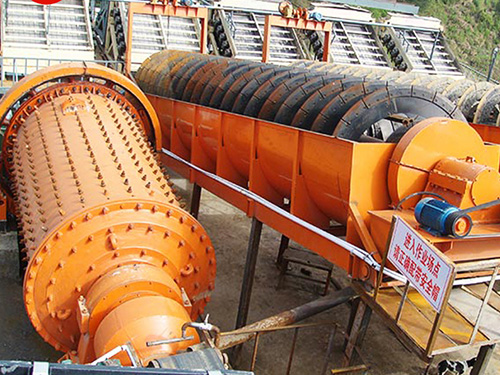
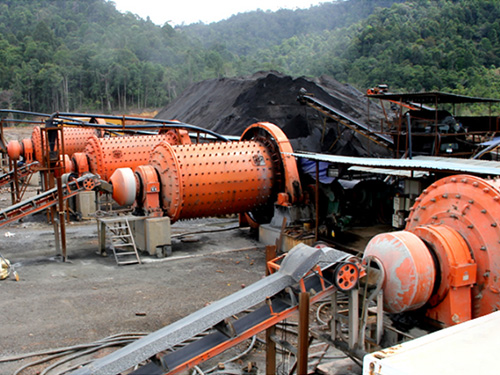
For industrial applications, ball mill capacities vary widely based on your production needs:
Mill Specification Capacity Range Typical Application
φ900×1800 0.65-2 t/h Small-scale production, pilot plants
φ1830×6400 6.5-15 t/h Medium-sized industrial operations
φ2700×4500 26-90 t/h Large cement and mining operations
φ5500×8500 148-615 t/h Mega-scale mineral processing plants
Target Output Size: Most silica sand ball mills produce material in the range of 0.074-0.4 mm (equivalent to 200 mesh to 40 mesh), with typical fineness achieving 200 mesh (0.074mm) with ≥95% passing rate .
Special Considerations for Ultrafine Grinding (<10 μm)
If your application requires ultrafine silica sand (for advanced ceramics, high-performance fillers, or specialized glass), consider these additional factors:
Energy efficiency plummets as particles become finer—only 4-8% of input energy actually creates new surface area.
Agglomeration becomes the dominant challenge—wet grinding is strongly preferred.
Planetary or stirred ball mills are more effective than tumbling ball mills for ultrafine grinding
Extended grinding times are required—research shows that grinding for 6 hours or more may be necessary to achieve fine particles .
The Rittinger model (linear relationship between energy input and new surface area) breaks down for ultrafine grinding; more complex models accounting for agglomeration are needed.