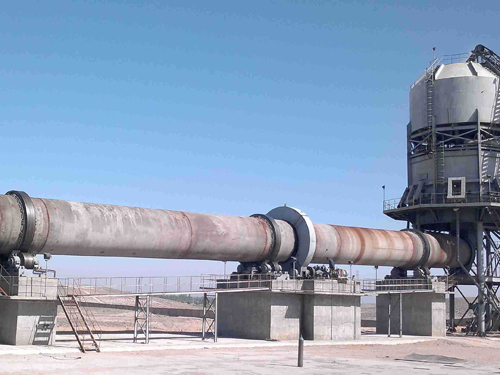
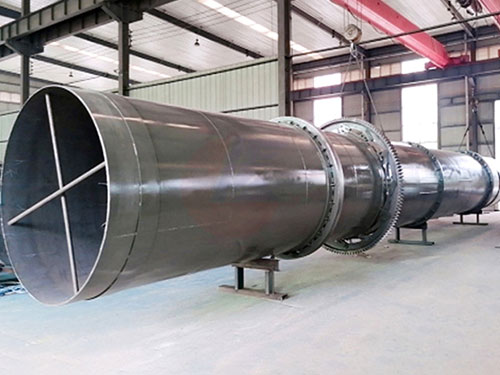
In the world of mineral processing, mining, and chemical manufacturing, achieving the perfect grind is critical for profitability. While traditional steel-lined ball mills have been the industry standard for decades, Rubber-Lined Ball Mills have emerged as a superior, cost-effective solution for a wide range of applications. But what exactly are they, and why are they becoming the preferred choice for savvy plant operators?
This comprehensive guide delves into everything you need to know about rubber-lined ball mills, exploring their benefits, working principles, and ideal applications.
What is a Rubber-Lined Ball Mill?
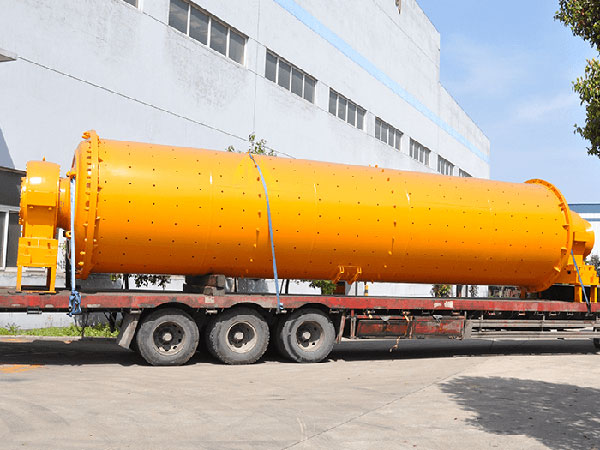
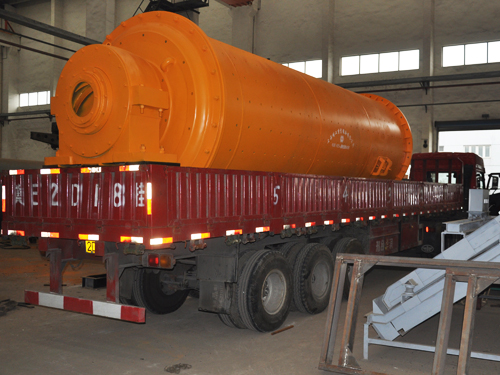
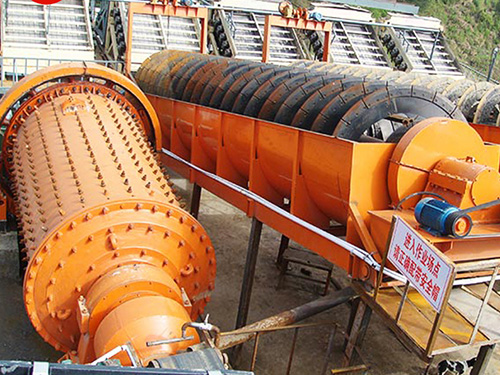
A Rubber-Lined Ball Mill is a type of grinding mill where the internal shell is protected by durable, wear-resistant rubber liners instead of traditional manganese steel liners. The mill operates on the same principle: it uses the impact and attrition of grinding media (usually steel balls) to reduce material size. The key innovation lies in the protective rubber lining, which delivers a host of operational and economic advantages.
Key Advantages of Choosing a Rubber-Lined Ball Mill
1. Significant Reduction in Operating Costs
Longer Lifespan: Rubber liners can last up to 2-3 times longer than steel liners in certain applications, drastically reducing the frequency and cost of liner replacement.
Lower Maintenance Downtime: Faster and easier installation of rubber liners means your mill is back in operation quicker, maximizing production uptime.
Reduced Power Consumption: Rubber liners are lighter than steel, reducing the overall weight of the mill and leading to lower energy requirements for operation.
2. Enhanced Operational Efficiency
Improved Grinding Efficiency: The flexibility of rubber can lead to a more effective grinding action and better product output in many scenarios.
Self-Removal of Slurry: Rubber's natural properties help prevent slurry from building up, maintaining optimal grinding efficiency.
3. Dramatically Reduced Noise Pollution
One of the most immediate benefits is noise reduction. Rubber acts as an excellent sound dampener, lowering grinding noise by 10-15 decibels compared to steel-lined mills. This creates a safer, more comfortable working environment and is crucial for meeting occupational health and safety standards.
4. Superior Corrosion and Abrasion Resistance
Rubber is inherently resistant to corrosion from water and certain chemicals. This makes rubber-lined mills ideal for wet grinding processes where steel liners would rapidly deteriorate.
5. Increased Safety
The lighter weight of rubber liners makes handling during maintenance much safer for personnel, reducing the risk of injury.
| Type | Cylinder speed(r/min)
(r/min) | Ball loading
(t) | Feed size(mm) | Output size(mm) | capacity(t/h) | Motor power(kw) | Machine weight(T) |
| Ø900×1800 | 38 | 1.5 | ≤20 | 0.075-0.89 | 0.65-2 | 18.5 | 3.6 |
| Ø900×3000 | 38 | 2.7 | ≤20 | 0.075-0.89 | 1.1-3.5 | 22 | 4.6 |
| Ø1200×2400 | 32 | 3.8 | ≤25 | 0.075-0.6 | 1.5-4.8 | 45 | 12.5 |
| Ø1200×3000 | 32 | 5 | ≤25 | 0.074-0.4 | 1.6-5 | 45 | 12.8 |
| Ø1200×4500 | 32 | 7 | ≤25 | 0.074-0.4 | 1.6.5.8 | 55 | 13.8 |
| Ø1500×3000 | 27 | 8 | ≤25 | 0.074-0.4 | 2-5 | 90 | 17 |
| Ø1500×4500 | 27 | 14 | ≤25 | 0.074-0.4 | 3-6 | 110 | 21 |
| Ø1500×5700 | 27 | 15 | ≤25 | 0.074-0.4 | 3.5-8 | 132 | 24.7 |
| Ø1830×3000 | 24 | 11 | ≤25 | 0.074-0.4 | 4-10 | 180 | 28 |
| Ø1830×6400 | 24 | 23 | ≤25 | 0.074-0.4 | 6.5-15 | 210 | 34 |
| Ø1830×7000 | 24 | 25 | ≤25 | 0.074-0.4 | 7.5-17 | 245 | 36 |
| Ø2200×5500 | 21 | 30 | ≤25 | 0.074-0.4 | 10-22 | 370 | 48.5 |
| Ø2200×6500 | 21 | 31 | ≤25 | 0.074-0.4 | 14-26 | 380 | 52.8 |
| Ø2200×7500 | 21 | 33 | ≤25 | 0.074-0.4 | 16-29 | 380 | 56 |
| Ø2400×7000 | 21 | 34.5 | ≤25 | 0.074-0.4 | 18-32 | 400 | 62.8 |
| Ø2400×8000 | 20.4 | 36 | ≤25 | 0.06-0.08 | 18-36 | 410 | 81.2 |
| Ø2700×3600 | 18 | 37 | ≤25 | <0.08 | 50 | 410 | 77.5 |
Ideal Applications for Rubber-Lined Mills
Rubber liners are not a one-size-fits-all solution, but they excel in specific environments:
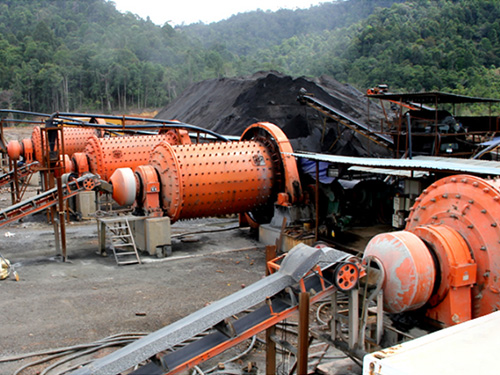
Wet Grinding Processes: Especially in ore processing for gold, copper, and lead-zinc.
Fine Grinding Applications: Where a consistent, fine product is required.
Corrosive Environments: In chemical processing or where the slurry has a low pH.
Urban or Noise-Sensitive Plants: Where reducing sound emissions is a priority.
Rubber vs. Steel Liners: A Quick Comparison
| Feature | Rubber-Lined Ball Mill | Steel-Lined Ball Mill |
|---|
| Lifespan | Longer (2-3x in many cases) | Shorter |
| Weight | Lighter | Heavier |
| Noise Level | Low | Very High |
| Corrosion Resistance | Excellent | Poor |
| Initial Cost | Higher | Lower |
| Total Cost of Ownership | Lower | Higher |
| Best For | Wet, corrosive, fine grinding | Primary, coarse grinding, high temperature |
Is a Rubber-Lined Ball Mill Right for Your Operation?
The decision depends on your specific material, process, and economic goals. Consider a rubber-lined mill if your operation involves:
High liner wear replacement costs.
Strict workplace noise regulations.
A wet or corrosive grinding environment.
A goal of reducing long-term operating expenses.
Ready to explore how a rubber-lined ball mill can optimize your grinding circuit and boost your bottom line?