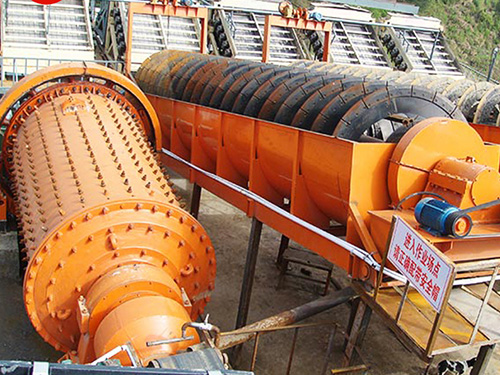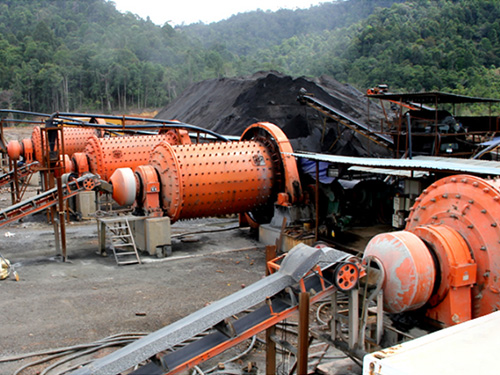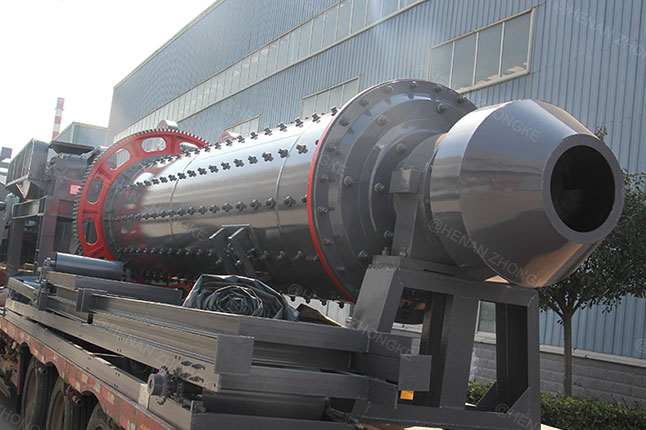
Ball mills are essential equipment in mineral processing operations, widely used for grinding materials into fine powders. The grinding efficiency of a ball mill directly impacts production costs, energy consumption, and overall operational profitability. For mining operations looking to optimize their "ball mill for grinding" processes, understanding the key factors that influence grinding efficiency is crucial. This article explores the primary variables affecting ball mill performance and provides practical insights for improving grinding operations.
Key Factors Affecting Ball Mill Grinding Efficiency
1. Feed Material Characteristics
The properties of the material being ground significantly influence the efficiency of your "ball mill grinding" operation:
Particle size distribution: Optimal feed size (typically 80% passing 10-20mm) ensures proper grinding media action
Hardness and abrasiveness: Harder materials require more energy and may need specialized liners
Moisture content: Excessive moisture can lead to ball coating and reduced efficiency
Work index: The Bond Work Index helps determine the energy required for grinding
Understanding these material characteristics allows operators to adjust their "ball mill for mineral processing" parameters accordingly.
2. Grinding Media Properties
The selection and maintenance of grinding media are critical for efficient "ball mill operation":
Size distribution: A balanced mix of media sizes (typically 25-100mm) ensures proper impact and attrition
Material composition: High-chrome steel, forged steel, or ceramic balls each have specific advantages
Media shape: Spherical balls are standard, but cylpebs can offer advantages in some applications
Media wear rate: Regular replenishment maintains optimal grinding efficiency
Proper media selection can improve "ball mill grinding efficiency" by 10-20% in many cases.
3. Mill Speed and Rotation
The rotational speed of your "industrial ball mill" significantly impacts grinding performance:
Critical speed percentage: Optimal operation typically occurs at 65-80% of critical speed
Cascading vs. cataracting motion: Proper charge motion ensures effective size reduction
Lifter design: Influences the trajectory of grinding media and material
Power draw: Correlates directly with grinding efficiency
Monitoring and adjusting mill speed can lead to substantial improvements in "ball mill performance".
4. Ball Mill Loading and Charge Volume
Proper loading is essential for maximizing "ball mill grinding capacity":
Filling ratio: Typically 30-45% of mill volume for optimal performance
Material-to-ball ratio: Proper balance ensures efficient particle breakage
Pulp density: Affects viscosity and material transport through the mill
Overflow vs. grate discharge: Impacts retention time and product size distribution
Regular audits of charge volume can identify opportunities for "ball mill optimization".
5. Liner Design and Condition
Mill liners play a crucial role in "ball mill grinding efficiency":
Liner profile: Affects media trajectory and energy transfer
Material selection: Must balance wear resistance and impact characteristics
Wear monitoring: Regular inspection prevents efficiency losses
Replacement schedule: Timely liner changes maintain consistent performance
Modern liner designs can improve "ball mill for grinding" efficiency while reducing maintenance costs.
6. Operational Parameters
Daily operating practices significantly impact "ball mill performance":
Feed rate control: Consistent feeding prevents overloading or underloading
Product size requirements: Finer grinding typically reduces throughput
Circulating load: Optimal levels (typically 100-350%) improve classification efficiency
Pulp chemical environment: pH modifiers can affect grinding kinetics
Implementing advanced process control systems can optimize these parameters automatically.
7. Classification Efficiency
The closed-circuit "ball mill grinding system" relies on effective classification:
Classifier performance: Impacts overall circuit efficiency
Cut size control: Proper sizing reduces overgrinding
Screen or cyclone efficiency: Affects circulating load and energy consumption
Water balance: Critical for wet grinding operations
Optimizing classification can provide immediate improvements in "ball mill productivity".
Advanced Techniques for Improving Grinding Efficiency
Process Control Systems
Modern "ball mill operation" benefits from advanced control strategies:
Automated feed control: Maintains optimal mill loading
Power monitoring: Detects changes in grinding efficiency
Particle size analyzers: Provide real-time product quality feedback
Model predictive control: Optimizes multiple variables simultaneously
Maintenance Best Practices
Regular maintenance ensures consistent "ball mill grinding performance":
Scheduled liner inspections: Prevent unexpected downtime
Grate condition monitoring: Maintains proper discharge characteristics
Bearing and drive maintenance: Reduces energy losses
Lubrication programs: Extend component life
Emerging Technologies
Innovations in "ball mill for mineral processing" include:
High-efficiency classifiers: Improve circuit performance
Wear-resistant materials: Extend liner and media life
Energy-efficient drives: Reduce power consumption
Advanced simulation tools: Optimize design and operation
Optimizing the grinding efficiency of your "ball mill for grinding" operations requires a comprehensive understanding of multiple interacting factors. From material characteristics and media selection to operational practices and classification efficiency, each element plays a crucial role in overall performance. By systematically addressing these variables, mining operations can achieve significant improvements in throughput, energy efficiency, and product quality.
For operations looking to enhance their "ball mill grinding" processes, regular performance audits, operator training, and adoption of advanced technologies can deliver measurable benefits. Remember that small improvements in grinding efficiency can translate to substantial cost savings and competitive advantages in today's challenging mining environment.
Implementing the strategies discussed in this article will help you maximize the return on your "industrial ball mill" investment while maintaining sustainable and efficient mineral processing operations.