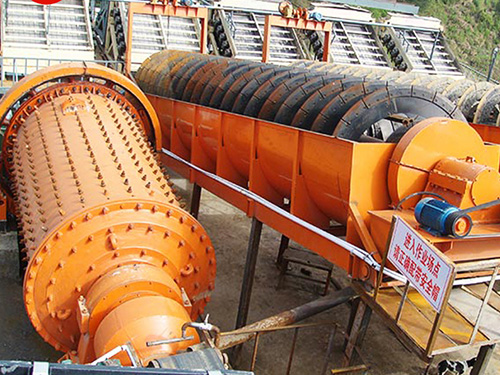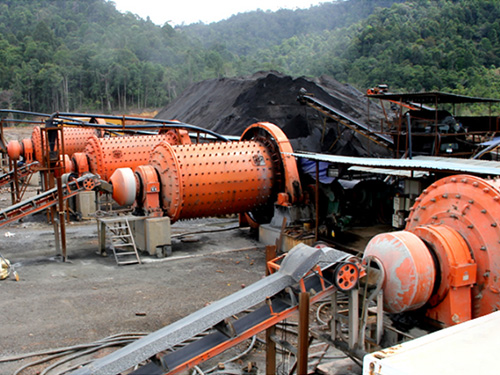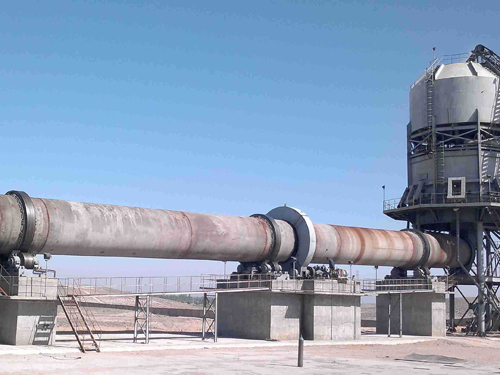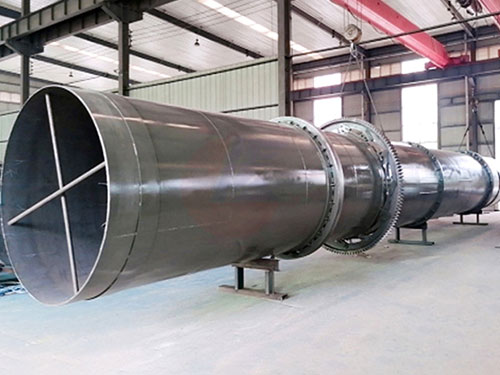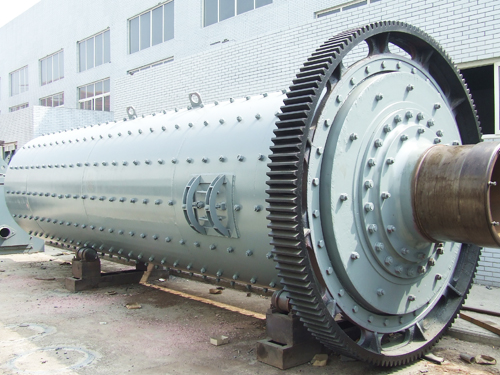
Industrial ball mills are essential for mining, cement, and ceramics, but they are also massive energy consumers. Grinding alone can account for over 60% of a plant’s electricity bill. Fortunately, energy-saving technologies have evolved significantly. By implementing the right solutions, you can cut power use by 15–30% without losing throughput.
1. Variable Frequency Drives (VFDs)
Traditional ball mills run at a fixed speed, wasting energy during partial loads. A VFD adjusts motor speed to match the material load and target fineness. This technology reduces power consumption by 10–20% and lowers mechanical stress on the gearbox.
2. Ceramic Grinding Media
Steel balls are heavy and inefficient for fine grinding. Replacing them with ceramic media (alumina or zirconia) reduces mill weight by up to 50%. Lower weight means less torque and lower energy draw. For regrind applications, ceramic media can slash energy use by more than 30%.
3. High-Efficiency Classifiers
An outdated classifier forces the mill to over-grind material. Modern high-efficiency separators (such as TSV classifiers) instantly remove fine particles. This prevents energy waste and increases throughput by 15–25% with the same power input.
4. Automatic Mill Load Control
Smart sensors monitor vibration, bearing pressure, and acoustic emissions. An automatic control system continuously adjusts feed rate and ball charging. By keeping the mill at its optimal load (75–80% of critical speed), energy per ton of product drops significantly.
5. Grinding Aids & Rheology Modifiers
In wet grinding, high viscosity creates “dead zones” that waste energy. Adding small amounts of chemical grinding aids improves slurry flow. This can lower specific energy consumption by 5–12% while boosting grinding efficiency.
6. Advanced Liner Designs
Lifter bars and shell liners control ball trajectory. Wave or corrugated liners (e.g., Magotteaux Xclass) reduce sliding friction and promote efficient cascading action. Retrofitting liners often pays back in less than six months through power savings alone.
7. Three-Compartment Mills (for Cement)
For ultra-fine grinding, a three-compartment mill uses different media sizes in each section. This targeted approach reduces specific energy by up to 25% compared to traditional two-compartment designs.
Real-World Results
A copper mine switching to ceramic media + VFDs reduced power from 28 kWh/t to 21 kWh/t. A cement plant installing high-efficiency classifiers cut annual electricity costs by $400,000.
How to Start Saving Energy Today
Conduct an energy audit of your current mill. Prioritize retrofits: VFDs and ceramic media offer the fastest ROI. For new installations, specify IE4 motors and a smart control package.
Adopting even two of these technologies will lower your operational costs and carbon footprint while keeping your ball mill competitive. Ready to optimize? Consult a grinding specialist to match solutions to your specific ore or cement type.